Over a thousand years passed between the ancient Mycenaeans and the Greeks who competed at Olympia or went to the Oracle of Delphi to have the truth divined. In that same span of time Greek art moved from the archaic to the classical. Archaic sculptures were more stylized figures. They usually exhibited straight hair and unnatural physical positions. A token smile on many archaic sculptures was the only real nod to human emotion; the rest was just representation. Notice these characteristics in the Sphinx and the Kouros statues from Delphi.

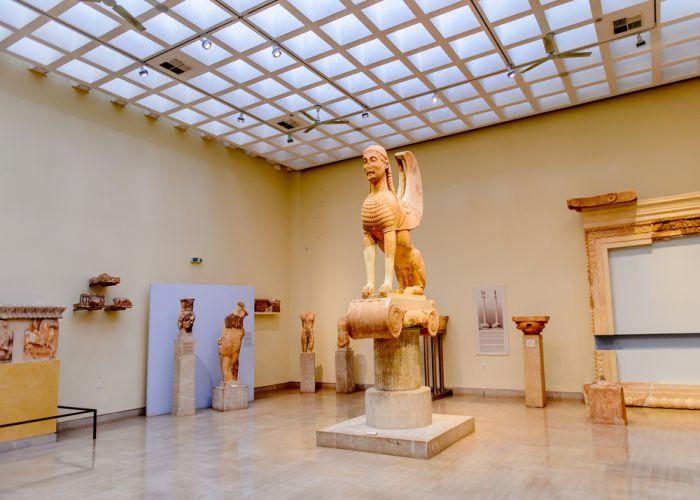
Classical work started appearing in the 5th century BC, about the time democracy was established in Athens. This was also the age of Socrates, Plato, and Aristotle. In Greek, “classical” means “excellence.” The classical period was when art became more involving. Sculpture more accurately described humans, containing much greater detail and natural poses and motions. They also taught how to behave in certain situations, by displaying emotions such as anger, fear, and uncertainty.
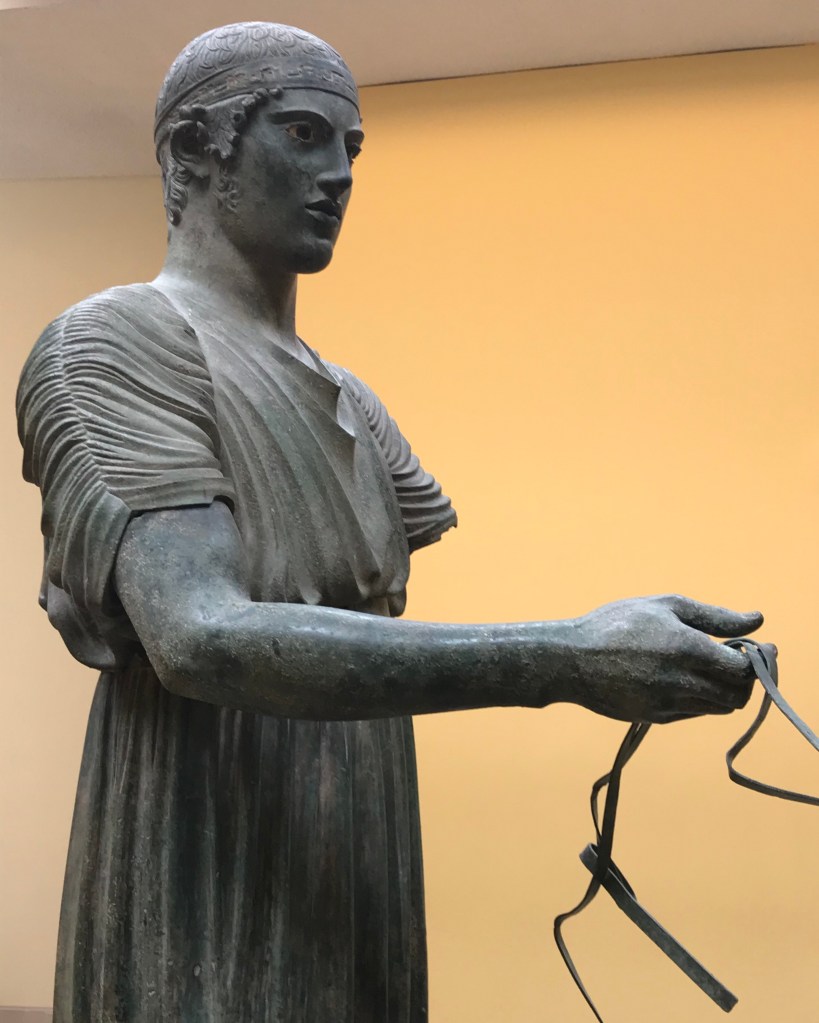
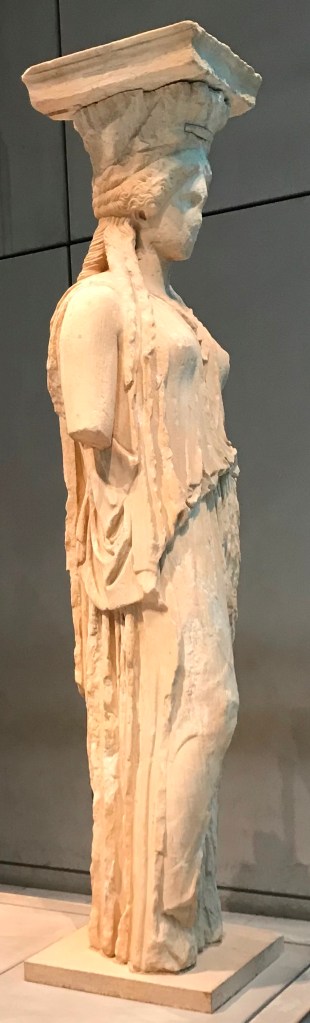
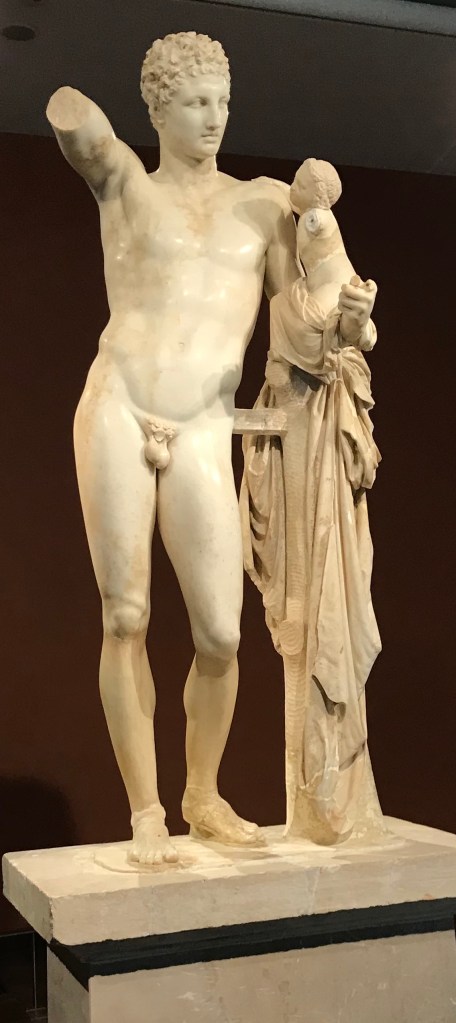
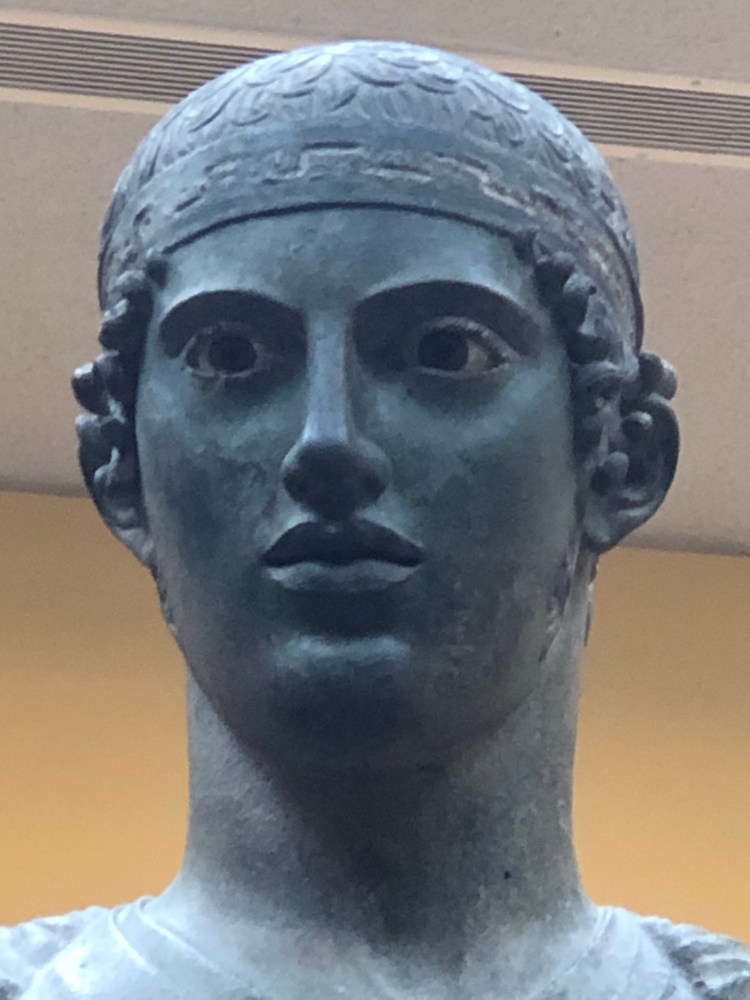
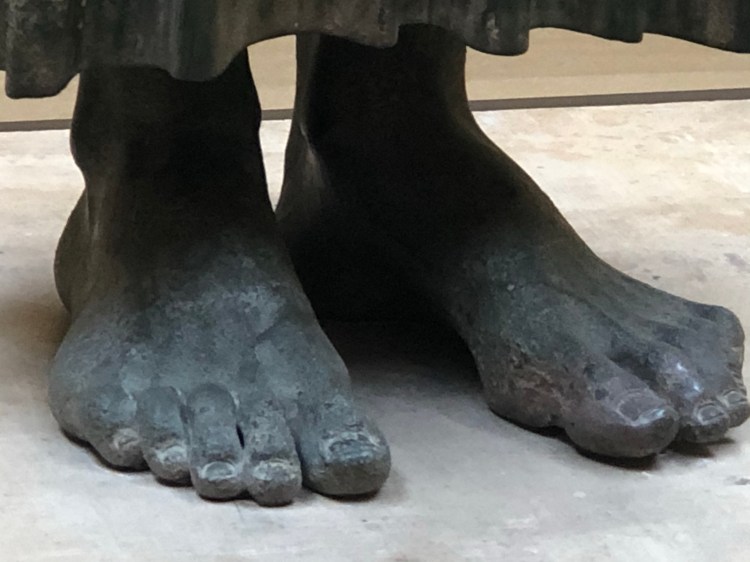
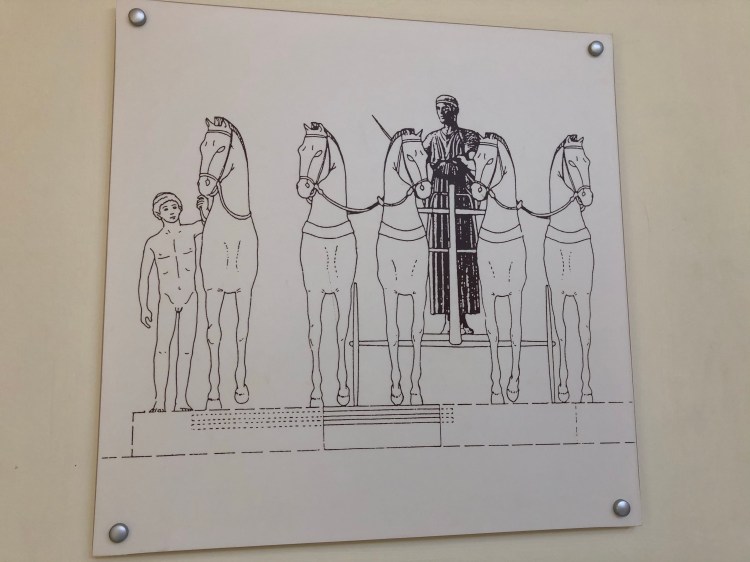
The Bronze Charioteer from a later time in Delphi, the Caryatids from the Erechtheion on Athen’s Acropolis, and the famous Hermes of Praxiteles all exude characteristics of classical sculpture. Notice the detail, the curled and braided hair, natural body positions, the natural draping of the fabrics, and the human emotions that are evident in their faces.
 2020 Vision of Venice