The tradition of Carnival in Venice began in the 11th century and declined by the 19th century. It was revived in 1979. This year it started on Feb. 8th and ends on Feb. 25th (Fat Tuesday). However, we just got word today that it is being cancelled early due to the Coronavirus.
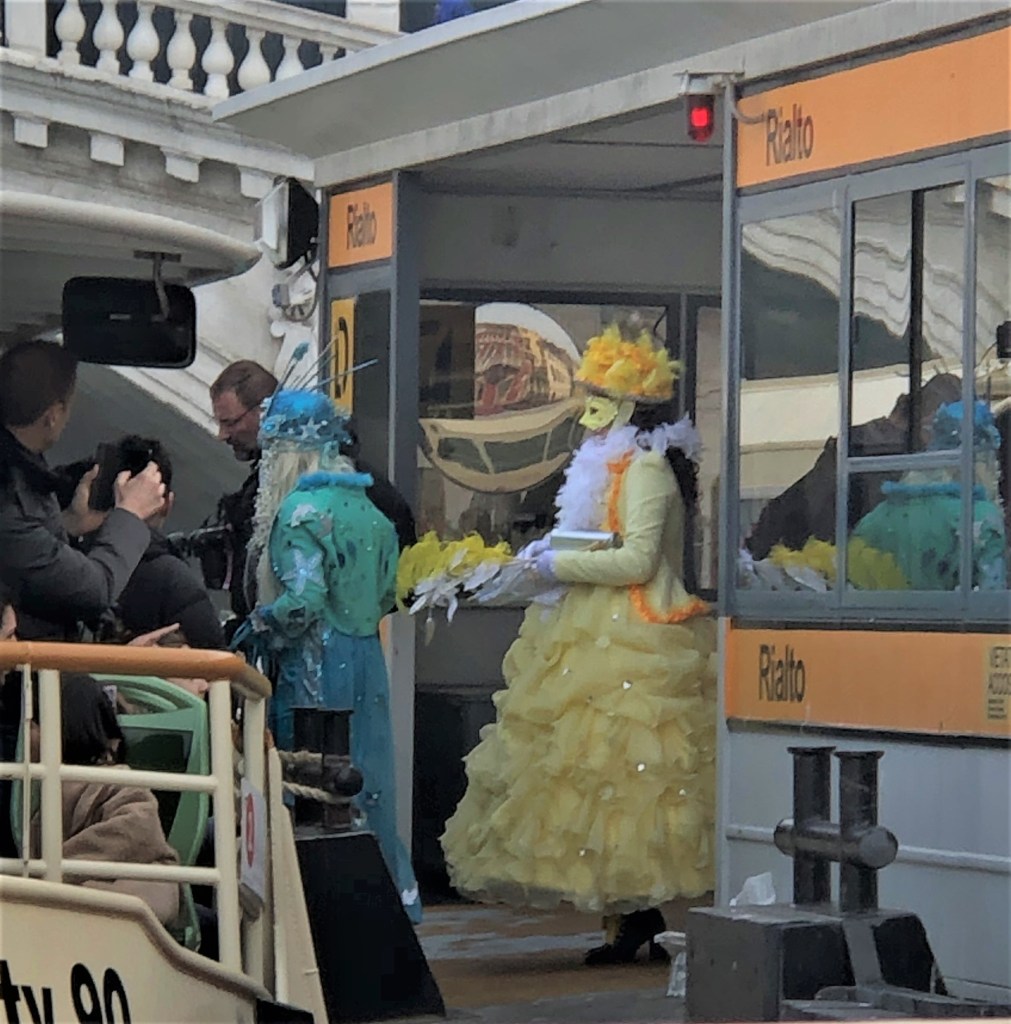
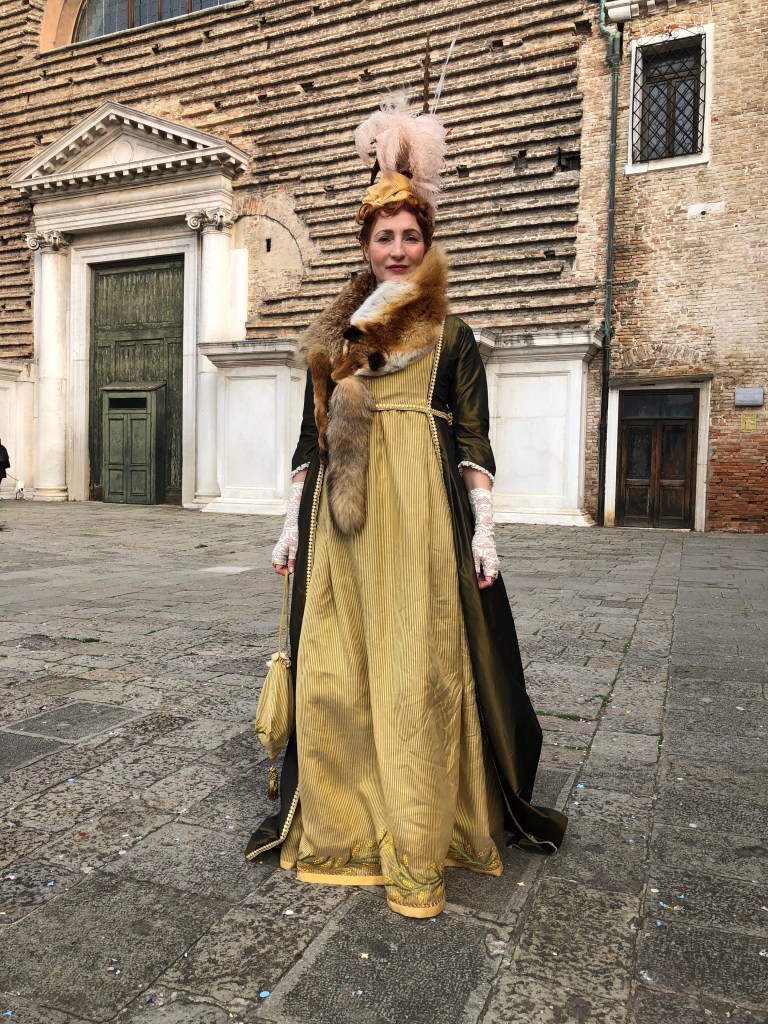
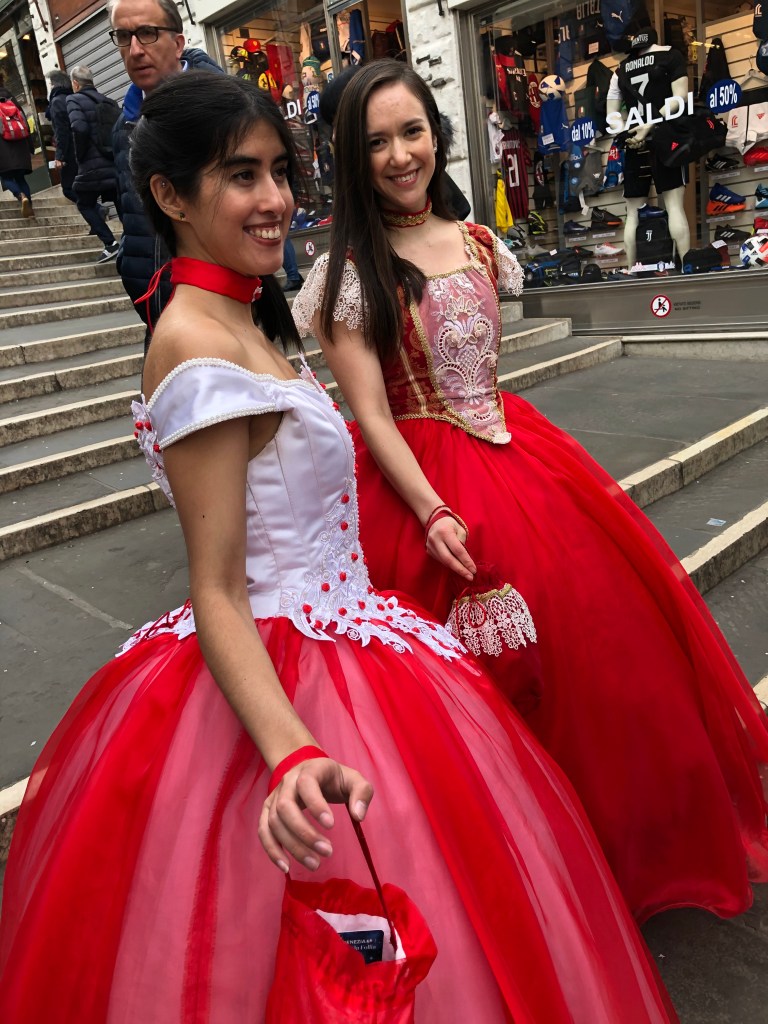
Much like Mardi Gras or…Halloween on the Pearl Street Mall in Boulder, Colorado, people go all out with their costumes. In Venice this year 150 events have been planned with 50 performances, theater plays, parties, concerts, film screenings, exhibitions, guided tours, and workshops.
The first event for 2020 was a water parade on the Rio di Cannaregio canal.
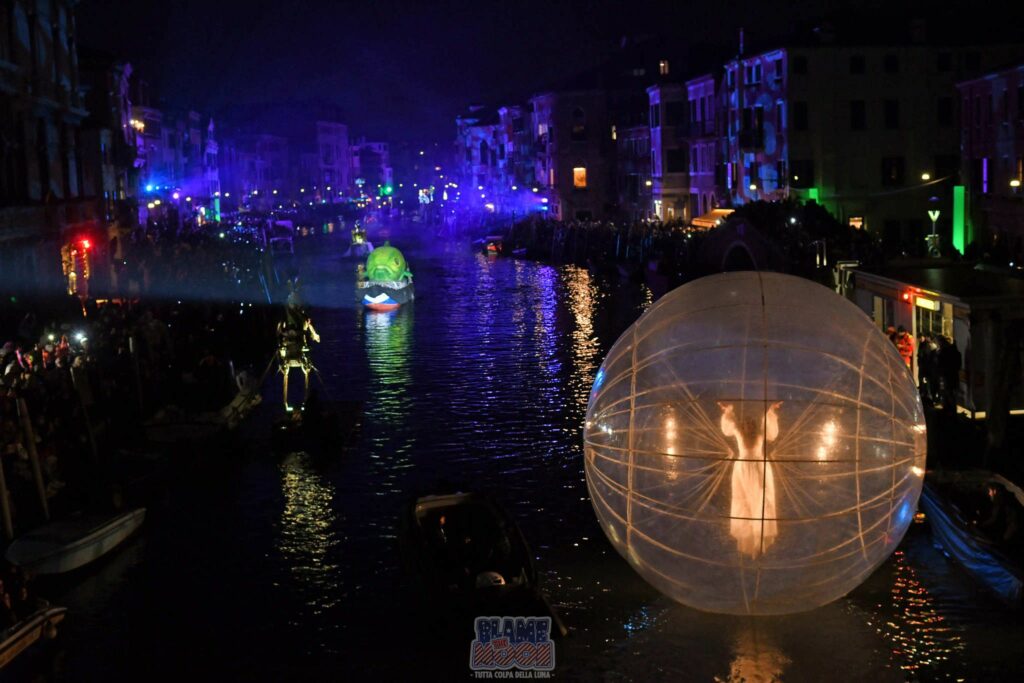
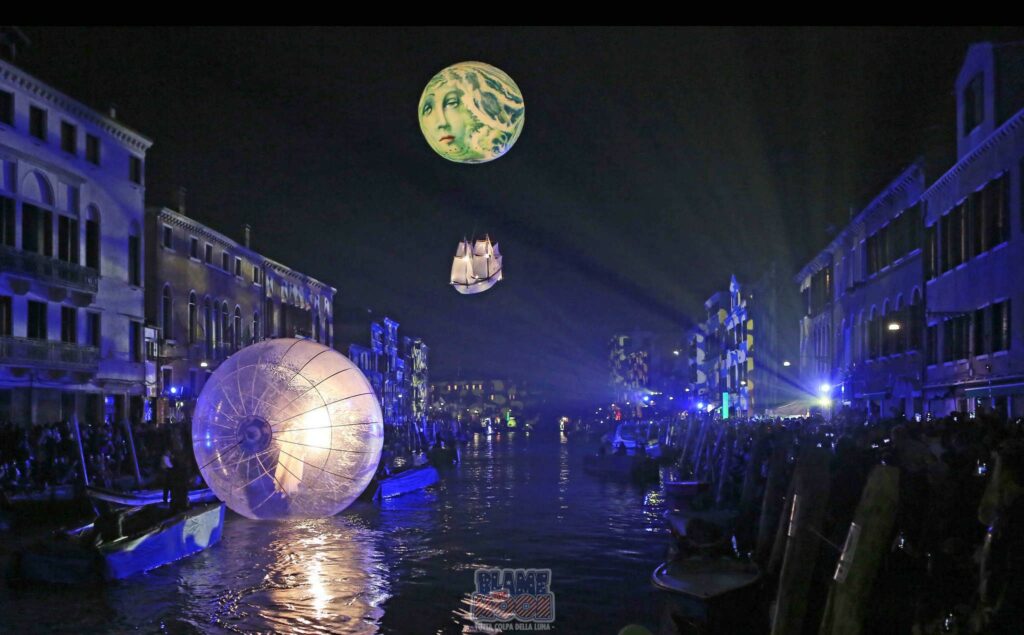
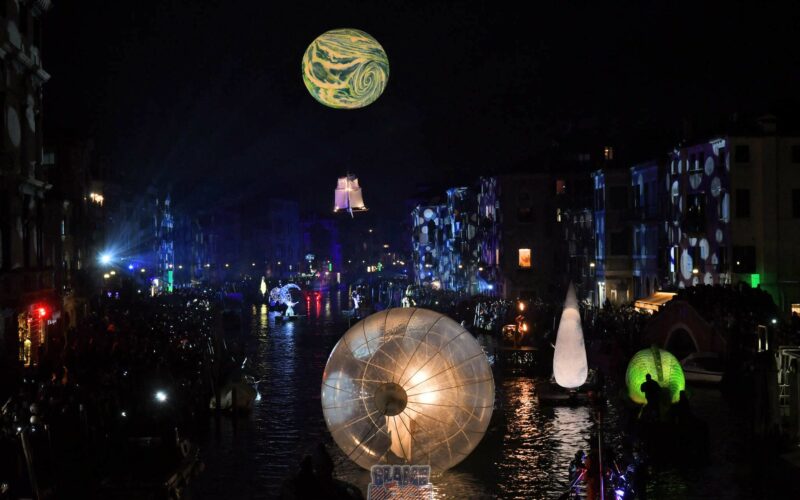
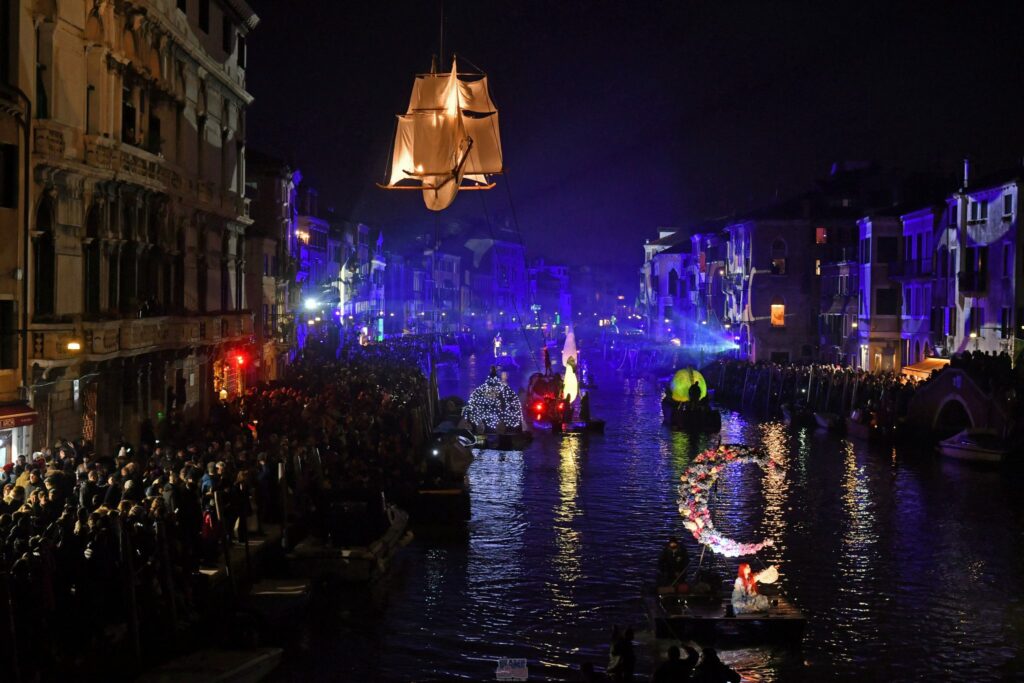
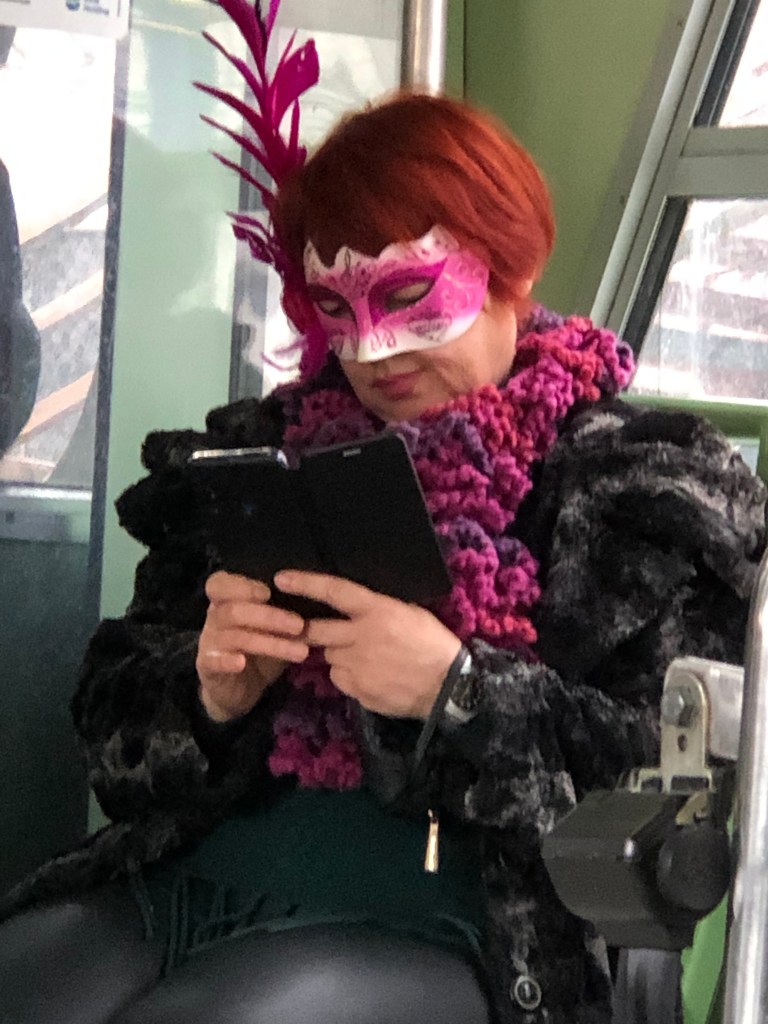
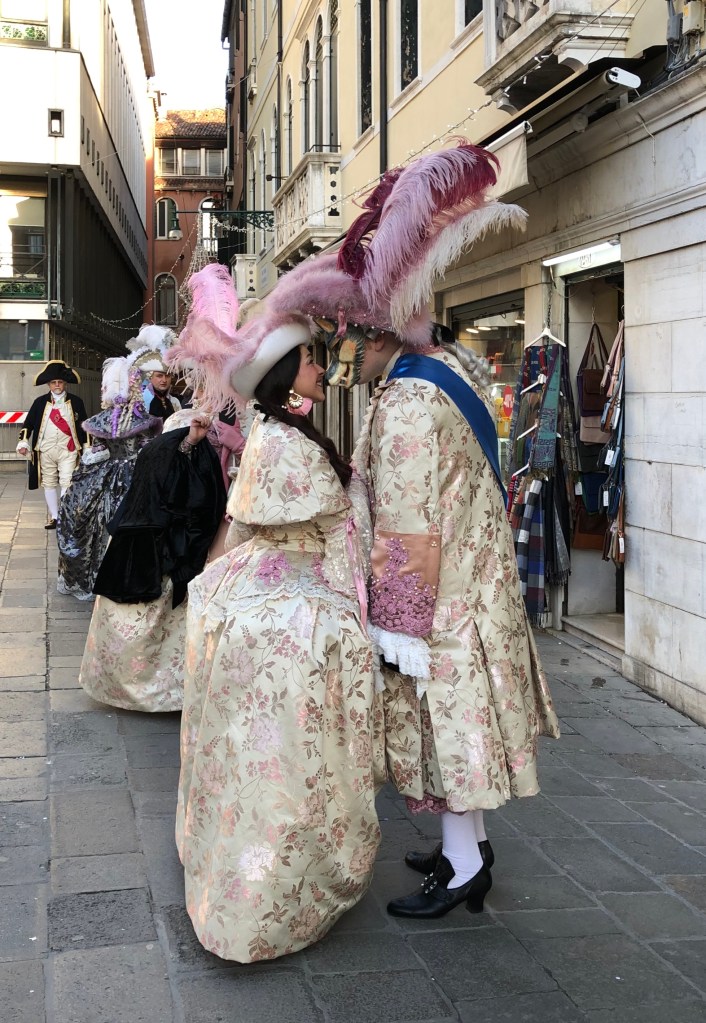
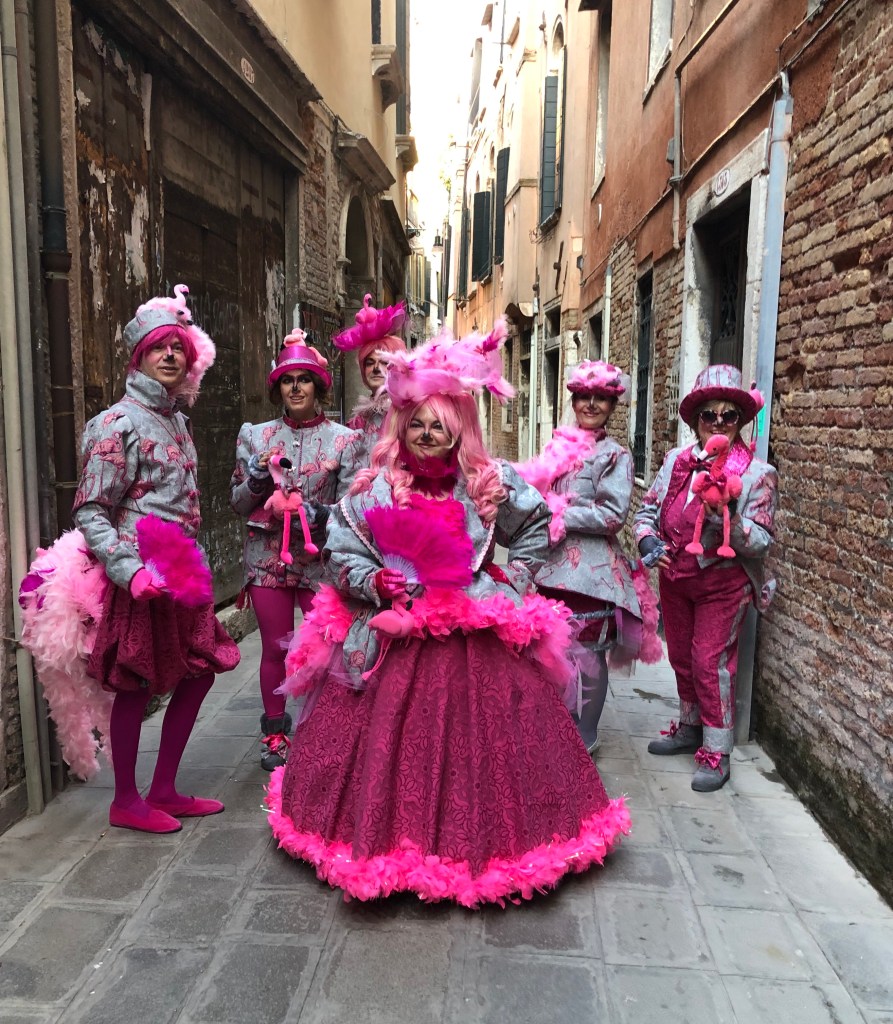
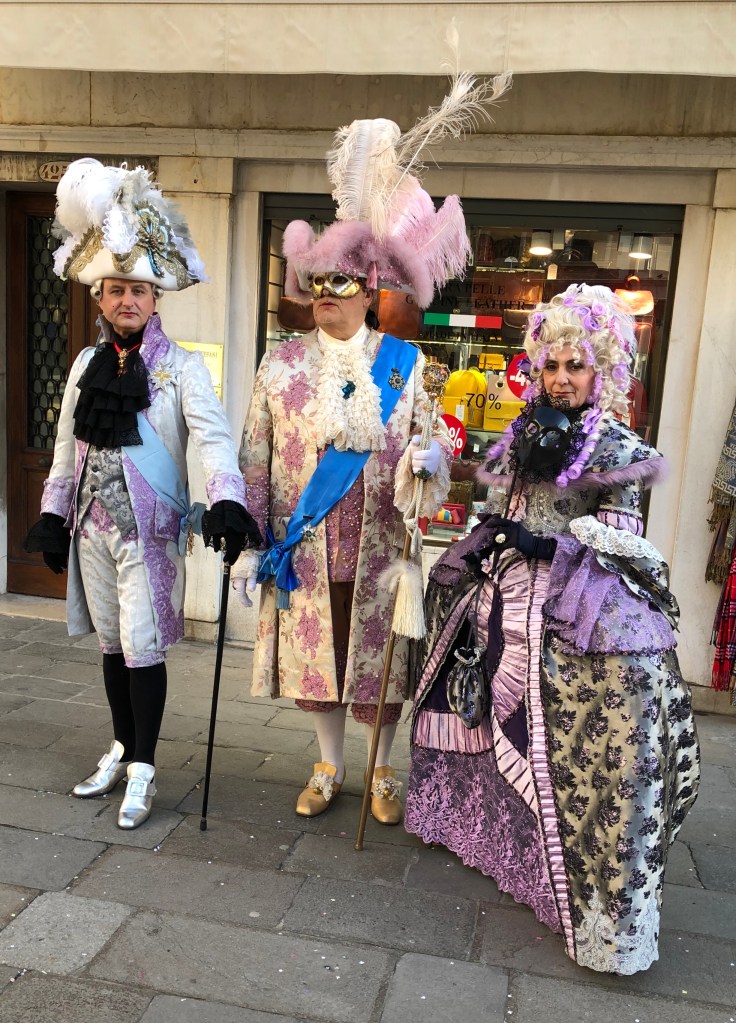
These are a few pictures I took this weekend.
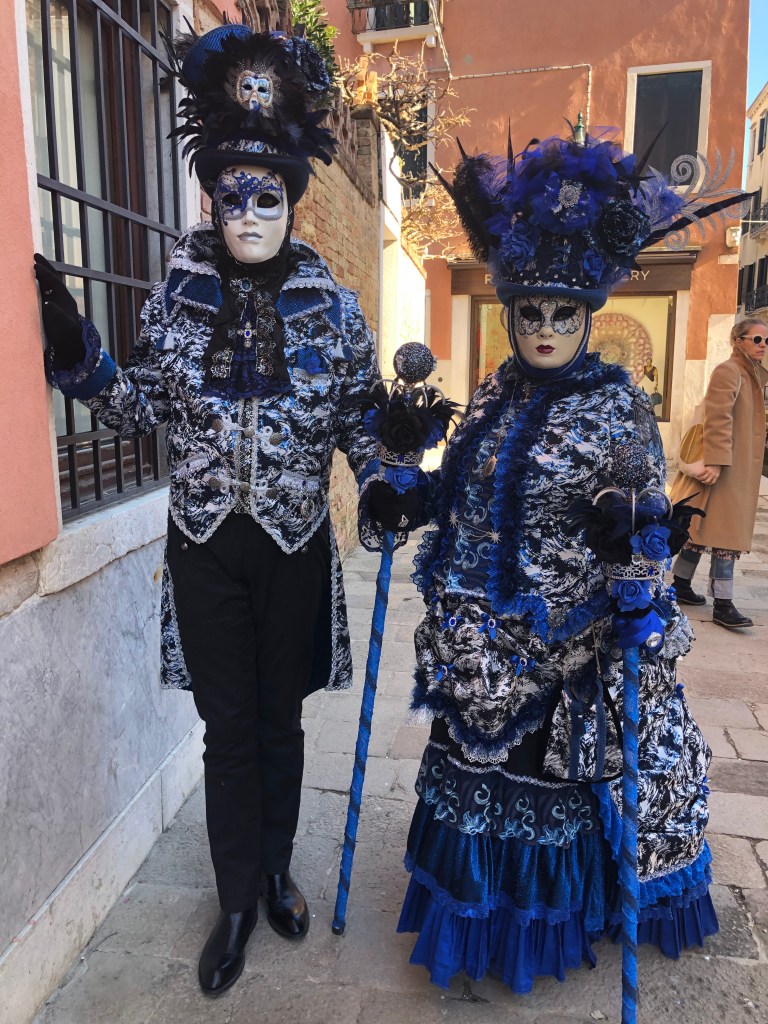
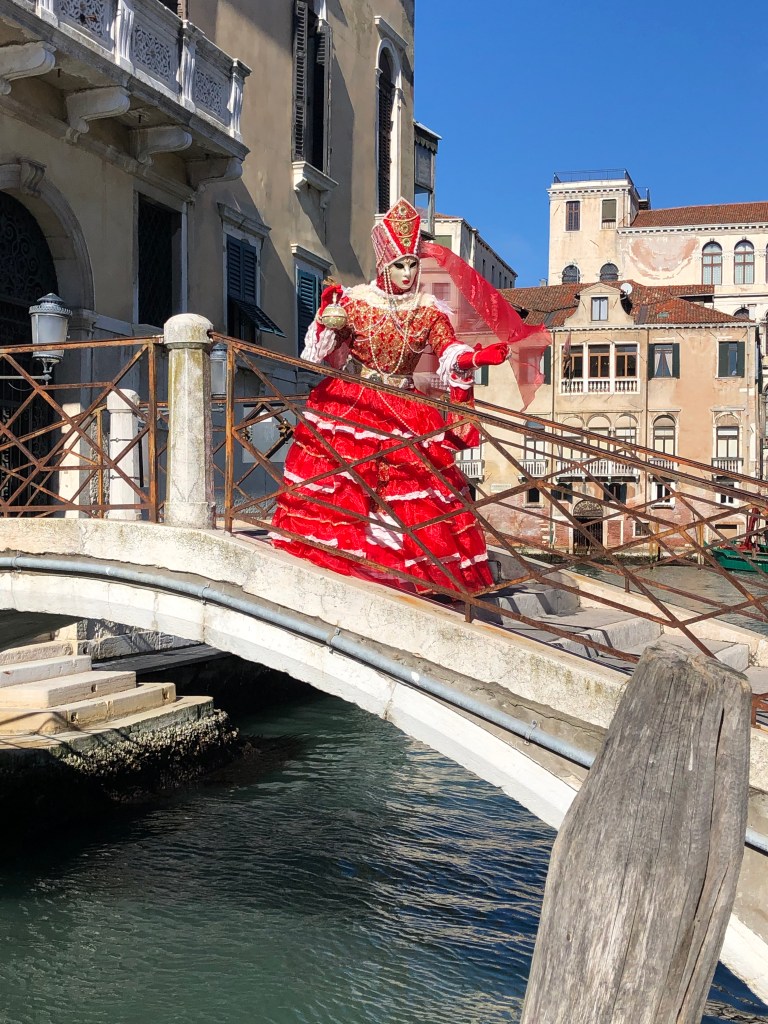
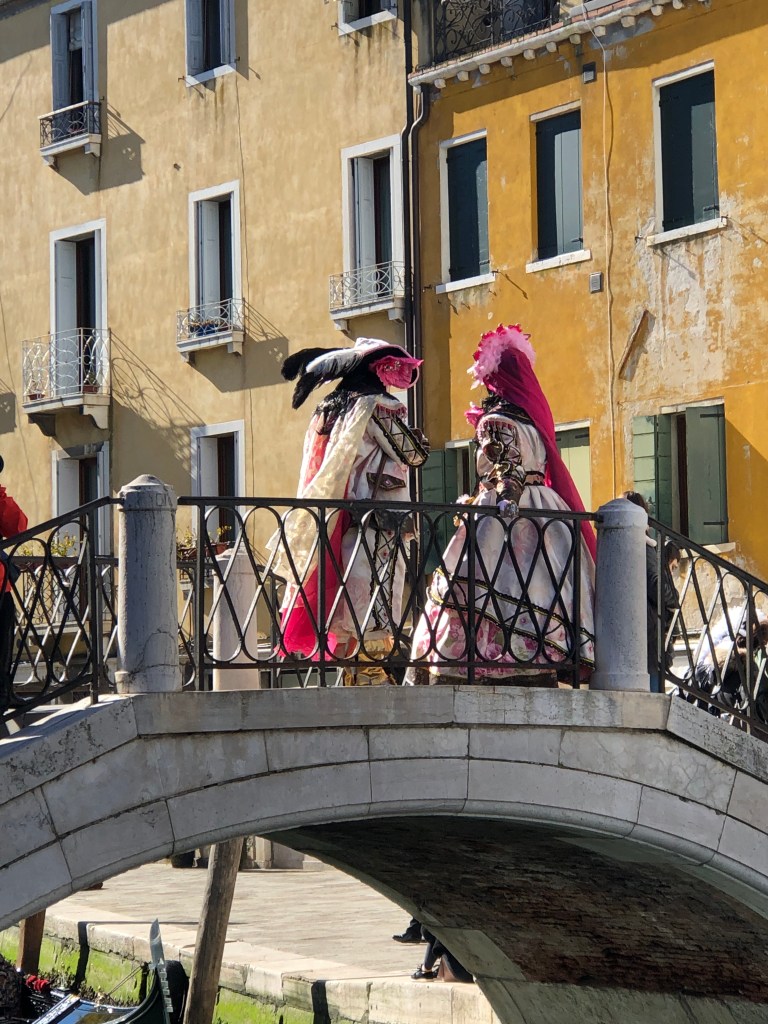
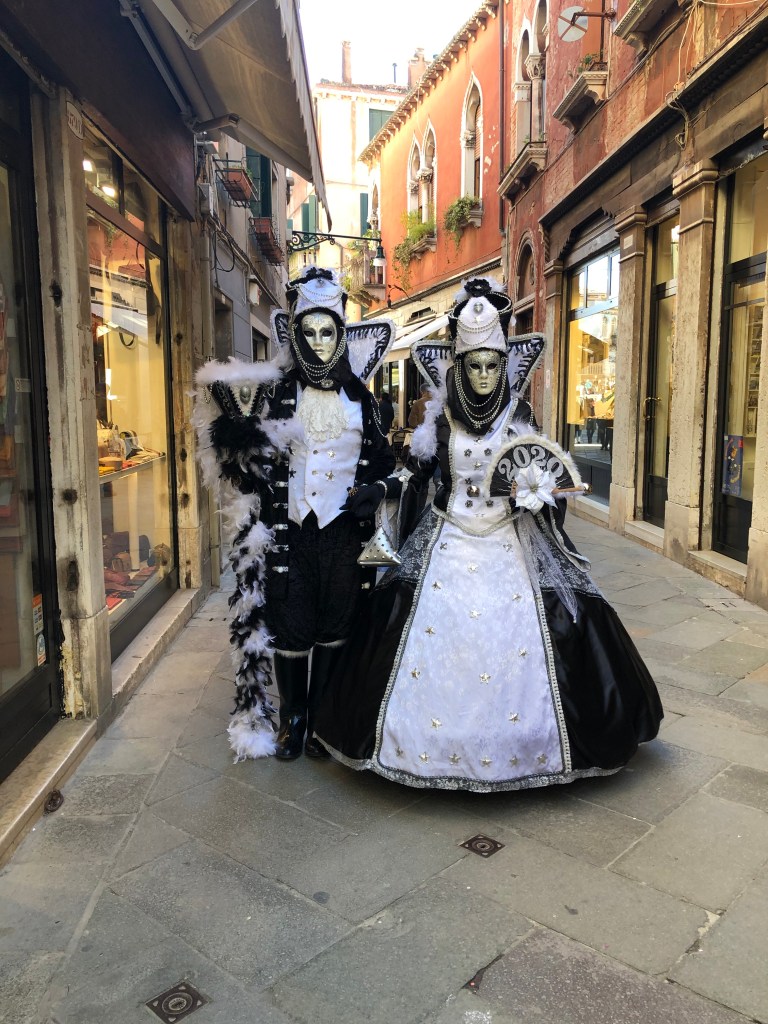
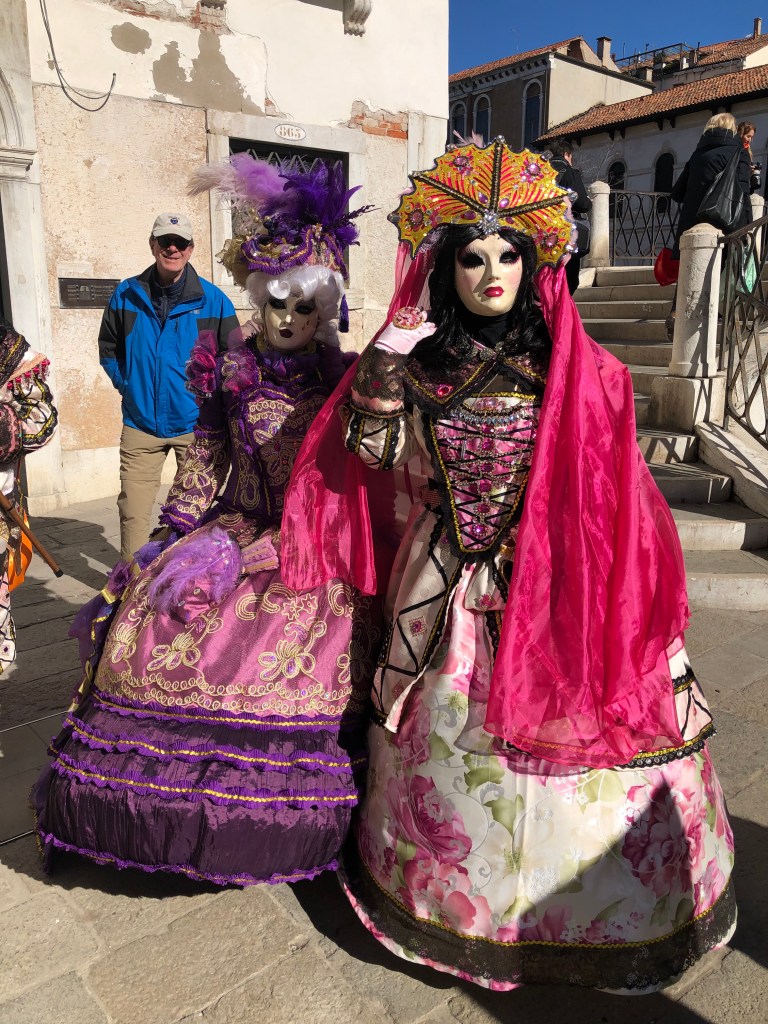
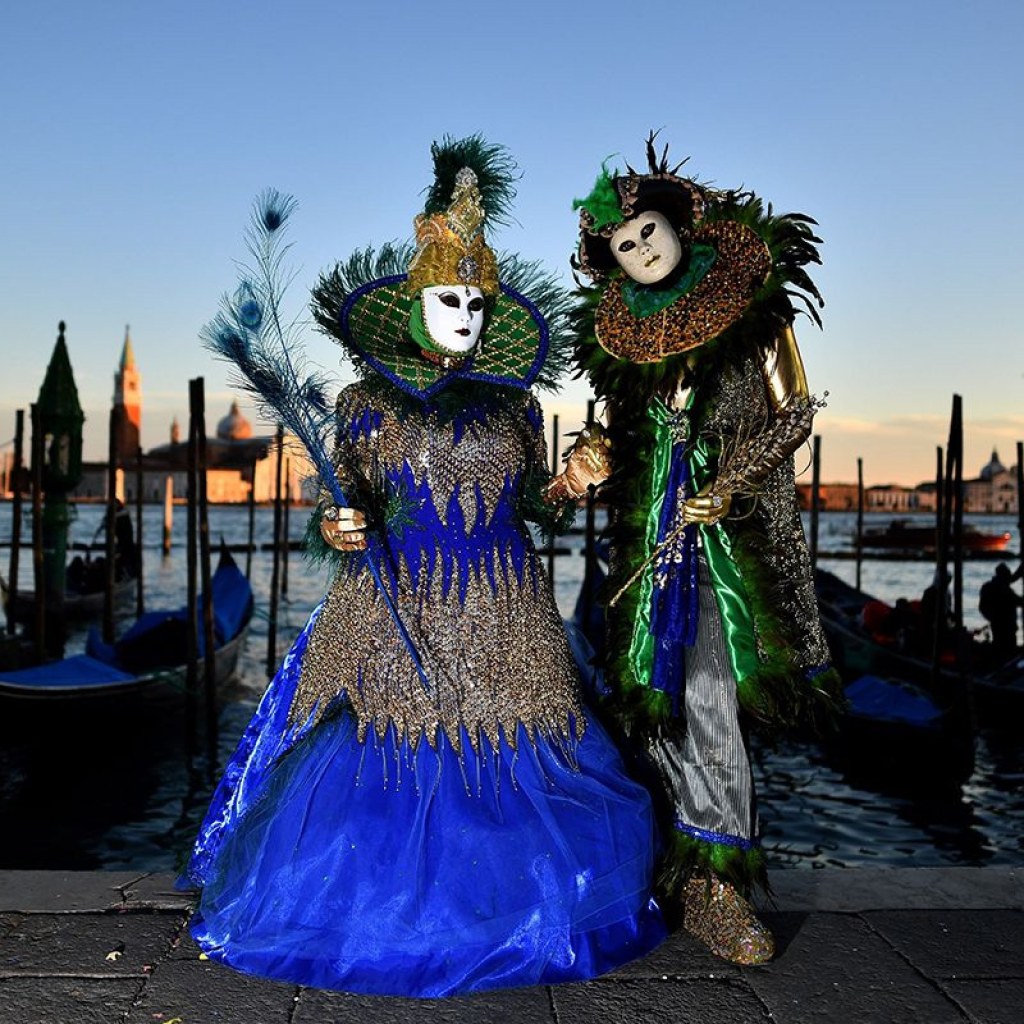
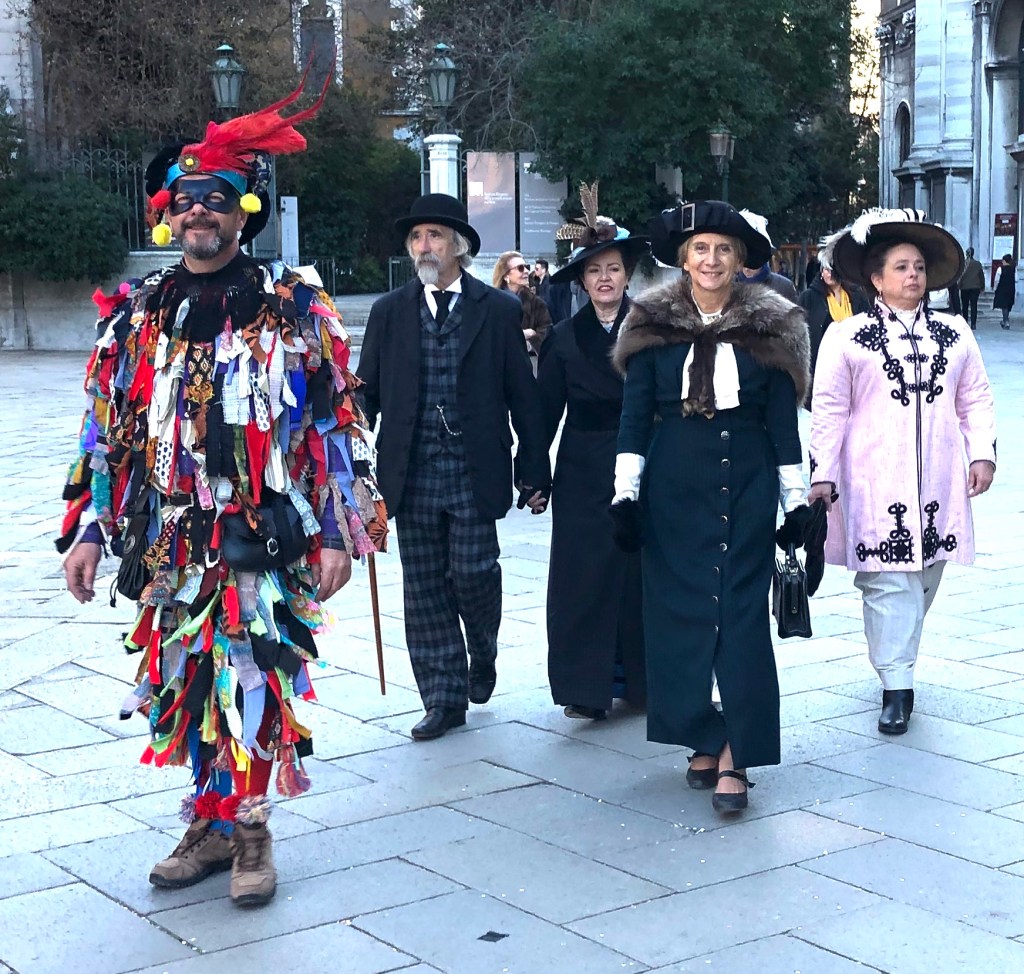
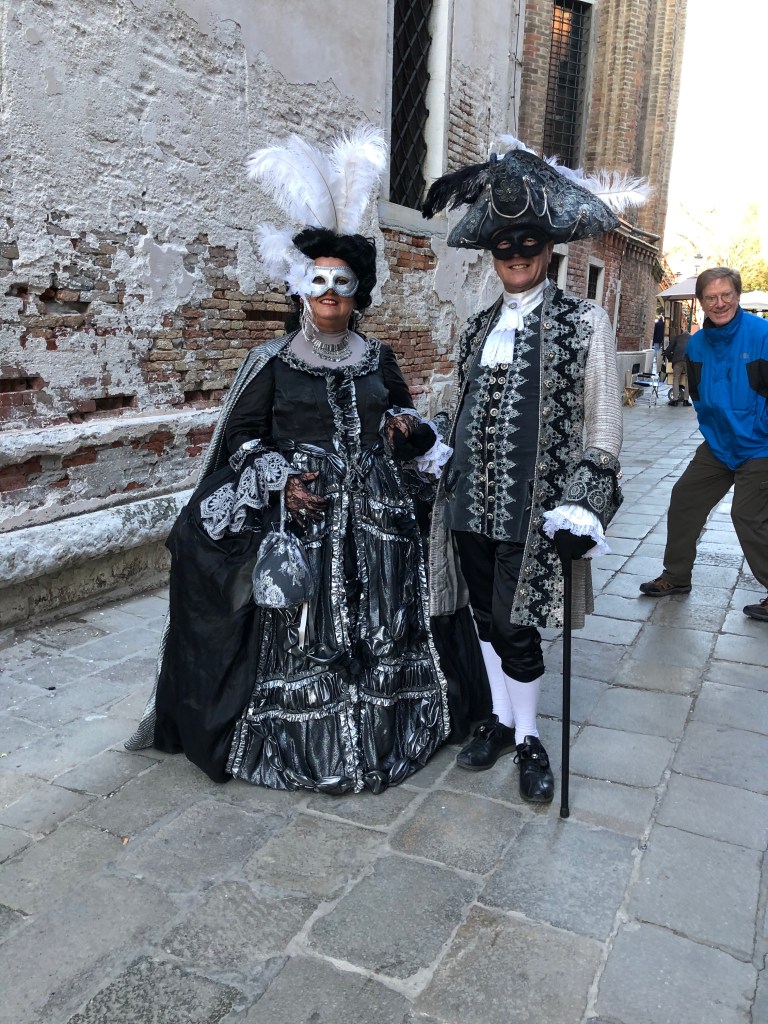
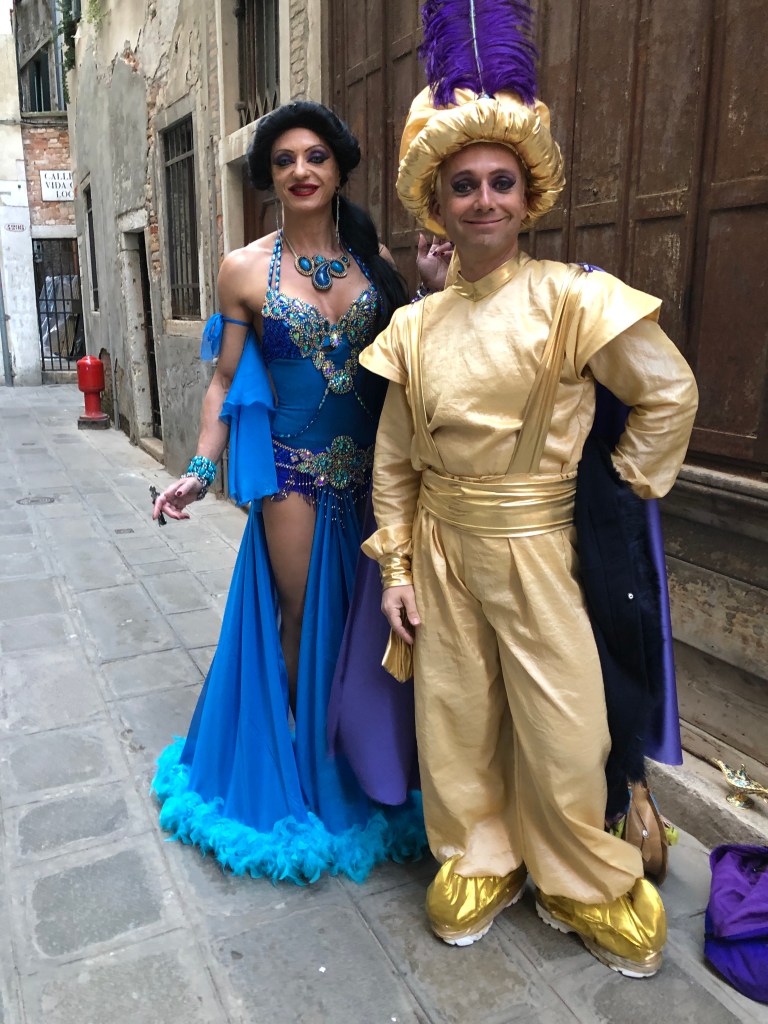
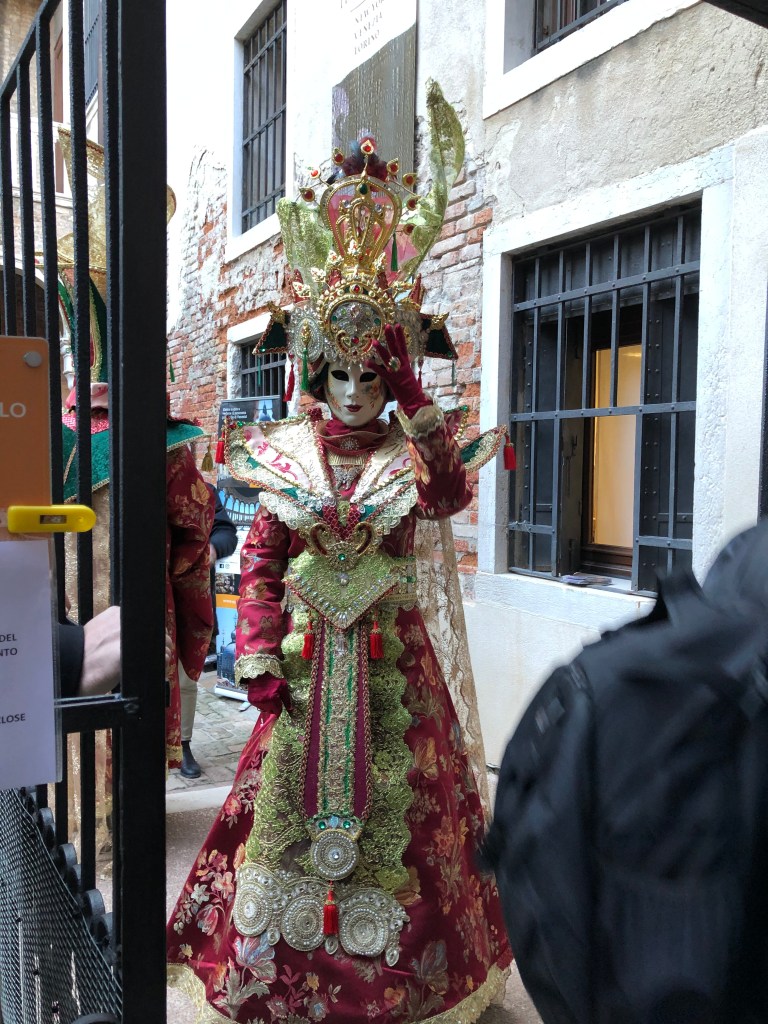
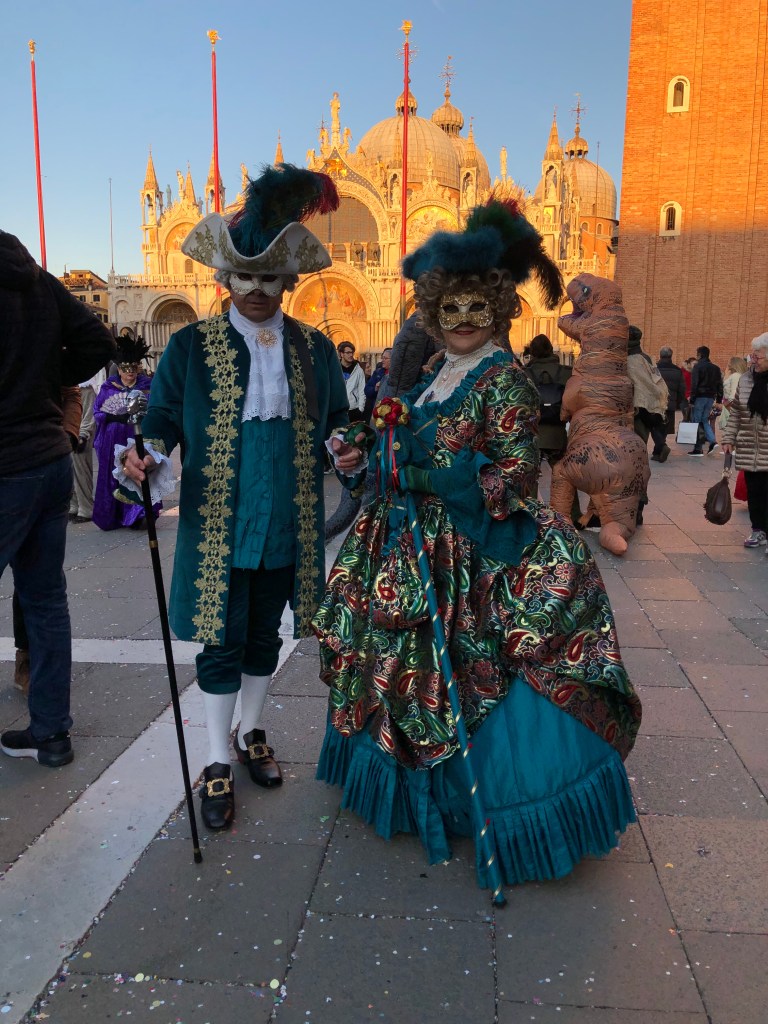
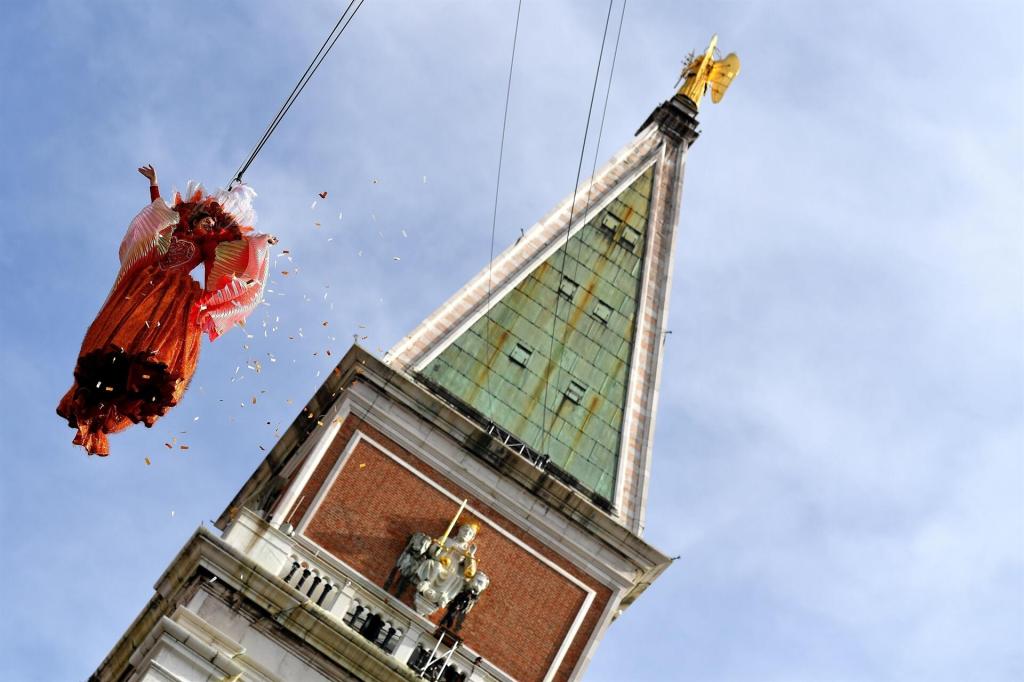
The Flight of the Angel
For centuries this “party” lasted for 6 weeks (Dec. 26 – Ash Wednesday) and always took place in St. Mark’s Square. Costumes are a memory to the past. The Latin term “carnem levare” (Carnival) means refusing meat or farewell to meat. We all know about the 40 days of Lent and fasting before Easter. The word “Carnival” first appears under the ruler Doge Vitale Falier in 1049. The idea was to give the lower classes a time of fun and parties. By 1162 the victory of the Republic against the Patriarch of Aquileia allowed dancing in the square. In 1296 this festival was declared a public holiday. By the 17th & 18th centuries it became official in the Renaissance as a way to save the prestigious image of Venice. After the fall of the Republic in 1797 there was an abolition of many traditions, and so Carnival in Venice died….for 200 years! Then….in 1979 it was revived since there are 3,000,000 visitors a year here!
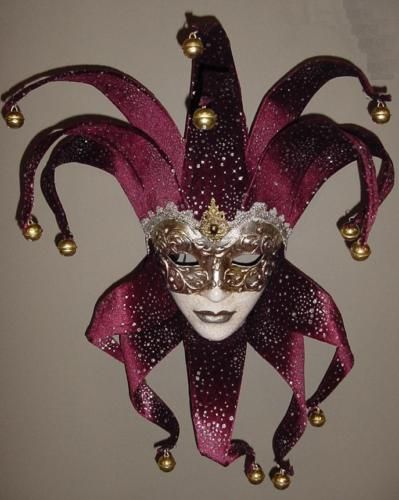
“The Most Beautiful Mask” contest happens each year. Because of this necessity, the art of mask-making has been revived. During the peak of Carnival, masks offered people the opportunity to be anonymous. Classes could mix! Mask wearing was happening from the Ascension to mid-June, during major events, and elections of doges. Then people figured out they could vent tensions, hide weapons, and commit crimes. Laws were then made. In 1339 there was a ban on masks at night. Men could not dress as women to enter convents and commit indecent acts. There are records that a decree was made in 1458 to stop that! Finally, by August 1608, a decree was made that masks were no longer permitted except during Carnival otherwise men faced two years in jail and women were whipped! Huh!
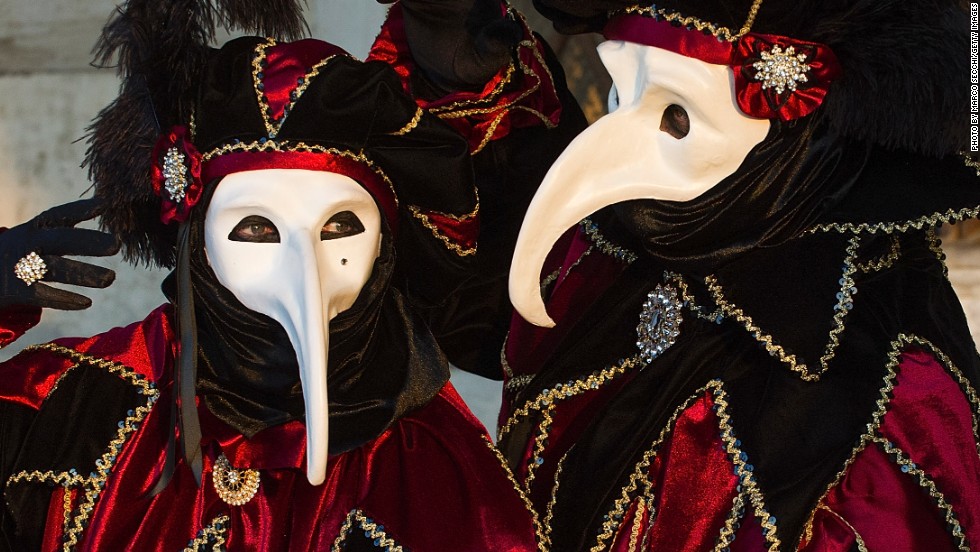
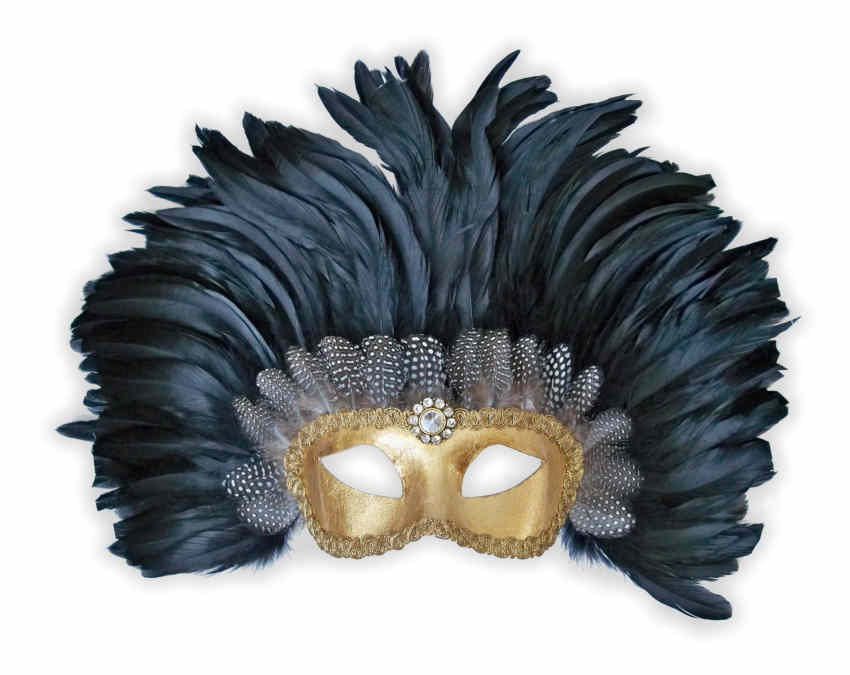
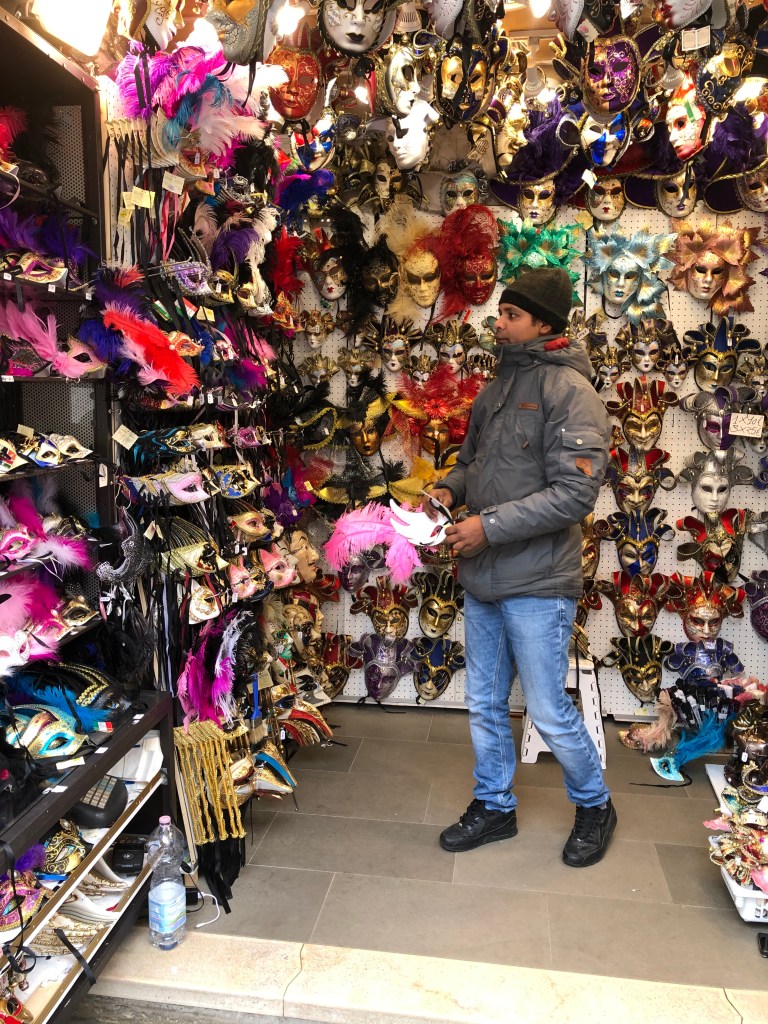
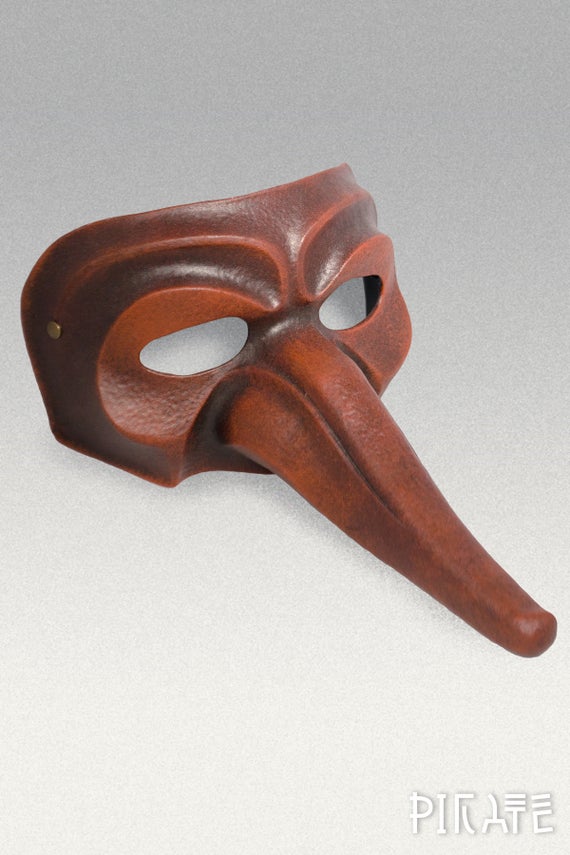
Our History of Art professor gave a power point presentation and a surprise of sweets on Thursday!
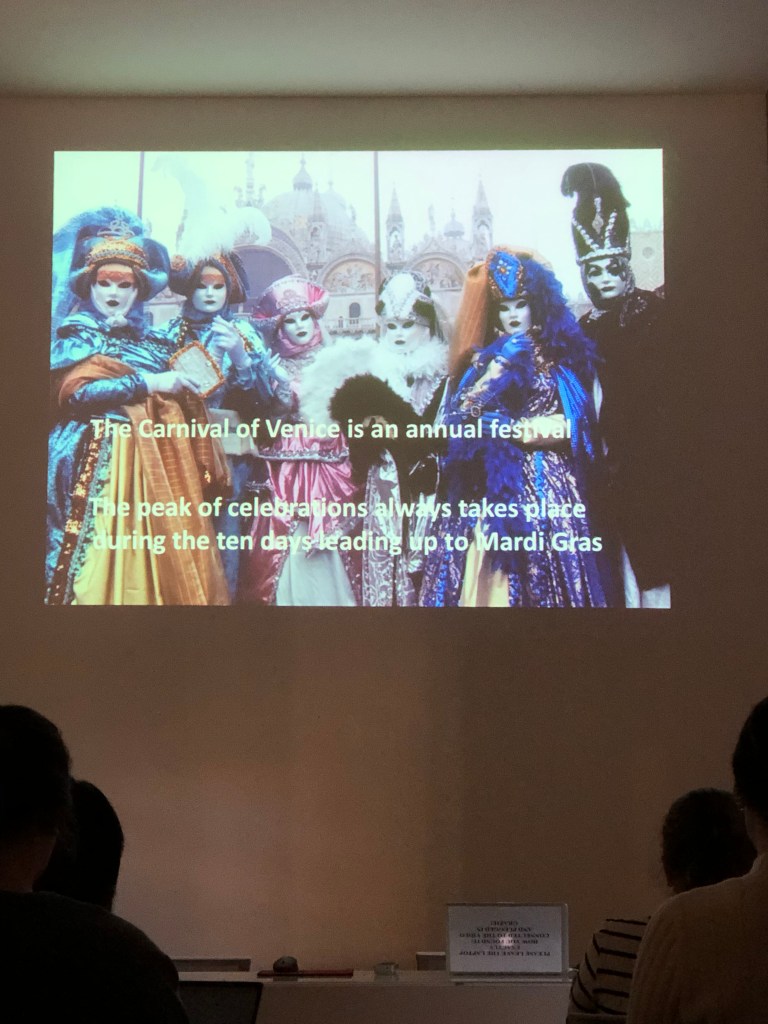

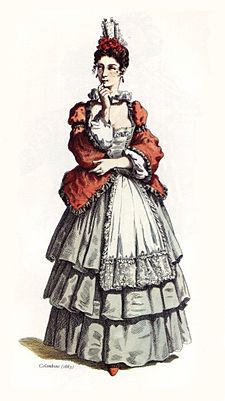
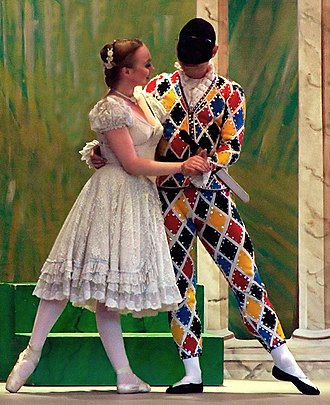
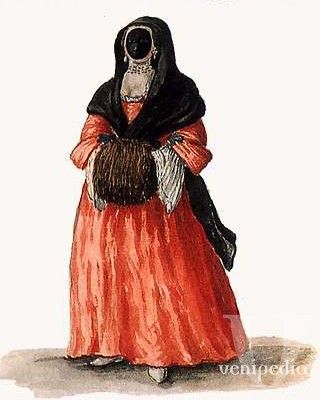
Common costumes:
The Plague Doctor – black cloak, black three-cornered hat, white gloves, white mask with beak that doctors actually wore these outfits during the plague
Moretta – oval mask of black velvet for women
Harlequin – a funny character who wears a mask and a distinctive diamond-patterned costume
Colombina – Harlequin’s mistress, a comic servant playing the tricky slave type
Pantaloon – an old rich merchant half-mask with accents on bony structure, big bushy eyebrows, a long hooked nose, a mustache, and a long pointed goat beard
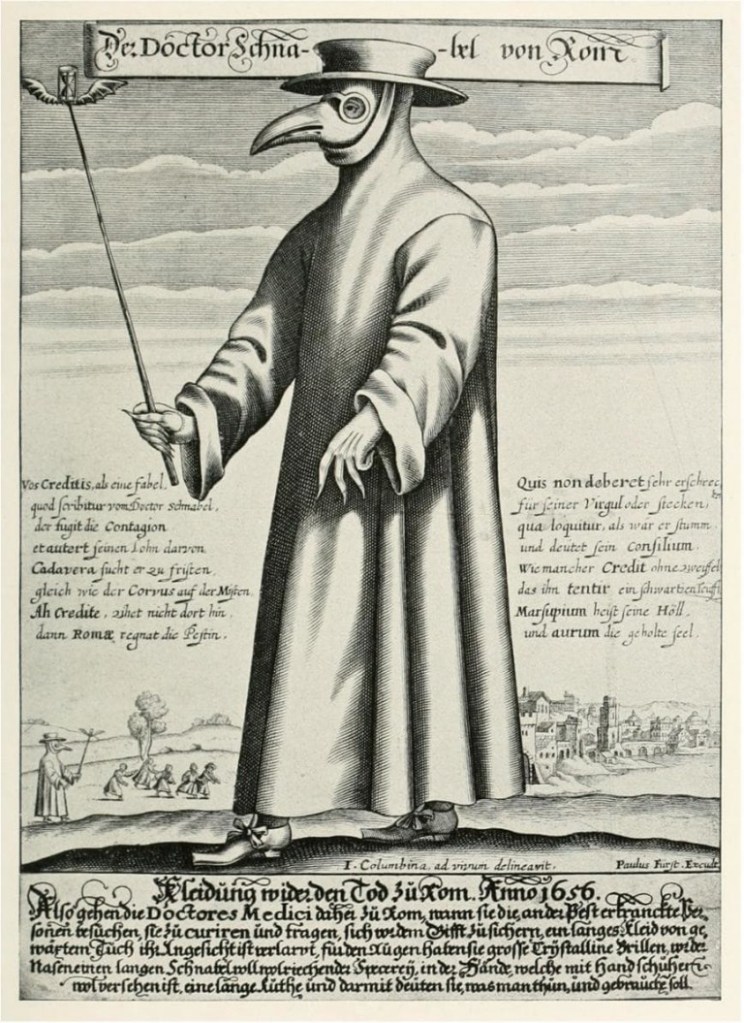
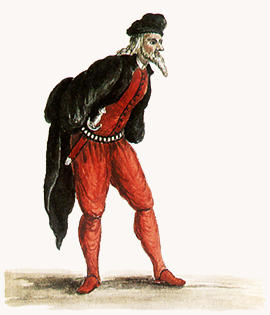
Events and activities during Carnival: tightrope walkers, bull fights, cart racing, costume parties, “the walk” to show off masks
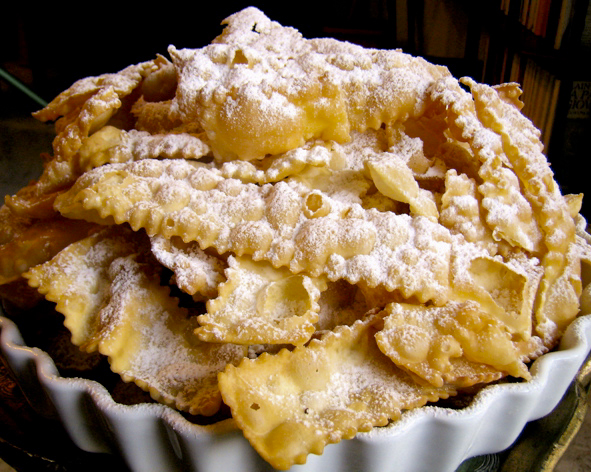
Food: Frittelle and galani (strips of pasta cut in the shape of ribbons and fried in fat)

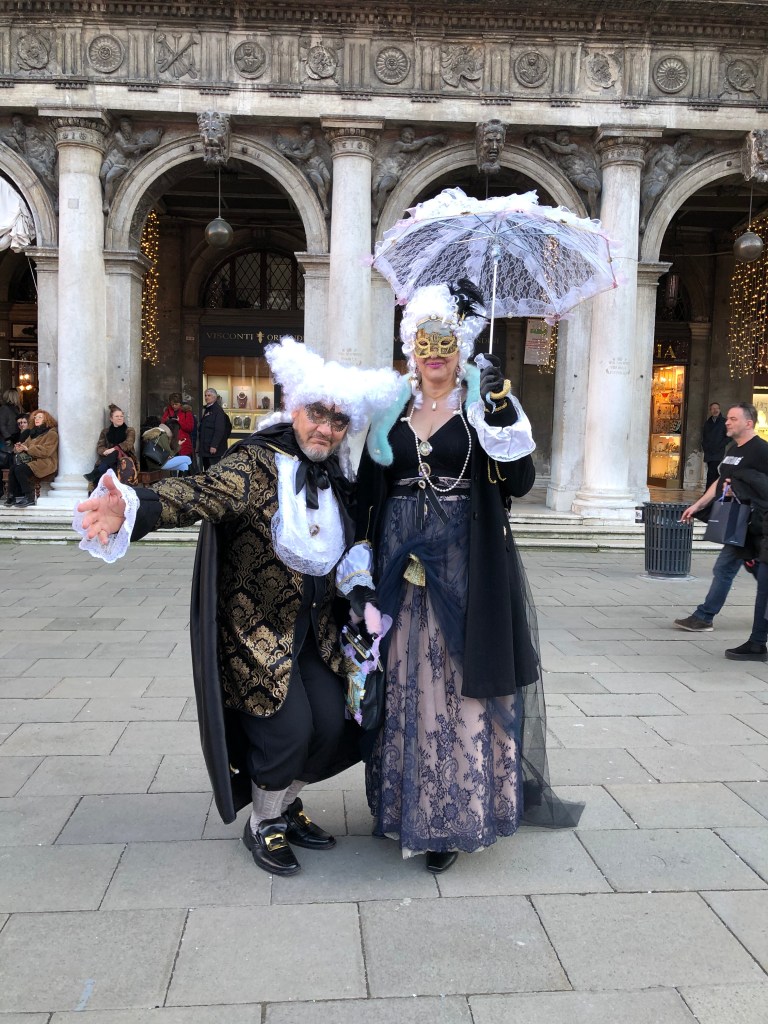
And my favorite old French couple: “Bonsoir”
 2020 Vision of Venice
Pictures are stunning! The costumes and masks are beautiful. I did not know Carnival was banned for 200 years! What mask/costume did you and Page select?
LikeLike